
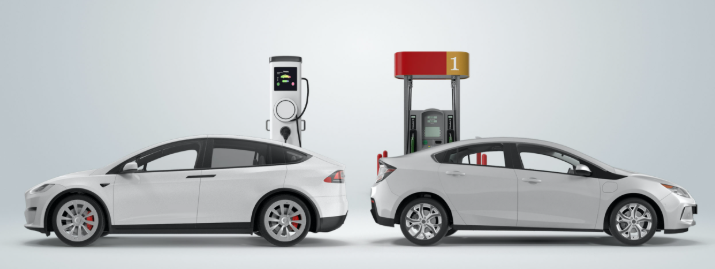
As organizations look to reduce operating costs, improve sustainability, and modernize their fleets, two technologies often rise to the top: electric vehicles (EVs) and hybrid vehicles. Both offer meaningful benefits, but they shine in different operational environments. Understanding when each option makes the most sense can help your fleet achieve maximum efficiency and value.
When Electric Vehicles Are the Better Choice
1. Predictable Daily Routes
EVs excel when vehicles travel consistent distances each day and return to a central location. Delivery fleets, municipal vehicles, and service units with fixed territories benefit the most.
2. Urban or Stop‑and‑Go Driving
Electric motors perform exceptionally well in city environments. Regenerative braking recovers energy, and low‑speed driving maximizes range.
3. Strong Sustainability Goals
EVs produce zero tailpipe emissions. For organizations with ESG commitments or public sustainability reporting, electrification delivers immediate, measurable impact.
4. Centralized Overnight Parking
If your fleet returns to the same depot or office each night, installing Level 2 chargers makes daily charging simple and cost‑effective.
5. Lower Long‑Term Operating Costs
EVs have fewer moving parts, no oil changes, and reduced brake wear. Over time, this can significantly lower maintenance expenses and downtime.
When Hybrid Vehicles Are the Better Choice
1. Mixed or Unpredictable Routes
Hybrids are ideal when daily mileage varies or when vehicles may travel beyond the range of a typical EV. They offer flexibility without range anxiety.
2. Rural or Long‑Distance Driving
In areas with limited charging infrastructure, hybrids provide the fuel savings of electrification while maintaining the convenience of gasoline.
3. Cold‑Weather Operations
EV range can drop significantly in harsh winter conditions. Hybrids maintain consistent performance regardless of temperature, making them more reliable for certain Canadian fleets.
4. Lower Upfront Budget
Hybrids generally cost less than EVs. For fleets looking to reduce fuel consumption without major capital investment, hybrids offer a strong middle ground.
5. Heavy Accessory Use
Vehicles that rely on onboard equipment (heaters, tools, electronics) may drain EV batteries quickly. Hybrids handle these loads more comfortably.
Final Thoughts
Electric and hybrid vehicles both offer compelling advantages — the key is aligning the technology with your fleet’s real‑world usage. EVs deliver maximum savings and sustainability in controlled, urban environments, while hybrids provide versatility and reliability for fleets with diverse or unpredictable needs.