
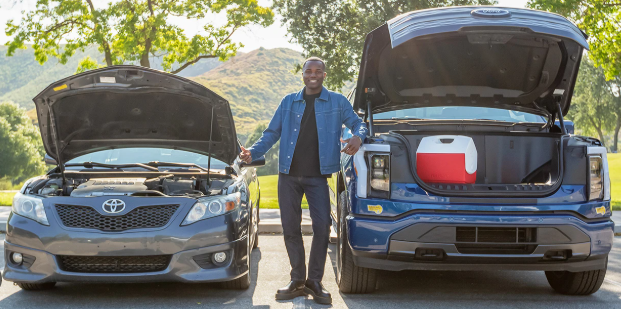
As fleet technology evolves, organizations are increasingly asking the same question: Should we transition to electric vehicles, or stick with gasoline? The answer isn’t one‑size‑fits‑all. Each option has strengths that make it better suited for specific operational needs, budgets, and usage patterns. Here’s a practical breakdown to help determine what’s right for your fleet.
When Electric Vehicles Are the Better Choice
1. Predictable, Local, or Urban Routes
EVs excel in environments where vehicles travel consistent daily distances and return to a central location. Urban fleets benefit from regenerative braking, lower speeds, and short trips — all ideal for maximizing EV efficiency.
2. High Fuel Costs or Heavy Idling
Electricity is far cheaper per kilometre than gasoline, and EVs don’t burn energy while idling. Fleets with long idle times (deliveries, service calls, municipal operations) can see significant savings.
3. Strong Sustainability or ESG Goals
EVs dramatically reduce tailpipe emissions. For organizations with environmental commitments, carbon‑reduction targets, or public‑facing sustainability reporting, EV adoption provides measurable impact.
4. Centralized Overnight Parking
If your vehicles return to the same depot or office each night, charging becomes simple and cost‑effective. Level 2 chargers can fully recharge most fleet EVs overnight.
5. Lower Maintenance Requirements
EVs have fewer moving parts — no oil changes, fewer brake replacements, and less wear on major components. Fleets looking to reduce downtime and maintenance costs benefit greatly.
When Gasoline Vehicles Are the Better Choice
1. Long‑Distance or Unpredictable Routes
If your fleet regularly travels long distances, crosses rural areas, or operates without predictable daily mileage, gasoline vehicles still offer unmatched flexibility and range.
2. Limited Charging Infrastructure
Organizations without a central parking location — or those operating in regions with sparse public charging — may find EV adoption challenging or costly to implement.
3. Heavy Towing or High Payload Needs
While electric trucks are improving, gasoline (and diesel) vehicles still outperform EVs in sustained towing, hauling, and high‑demand commercial applications.
4. Extreme Cold Weather Operations
EV range can drop in very cold climates. In regions with harsh winters or long periods of sub‑zero temperatures, gasoline vehicles may remain more reliable for certain mission‑critical tasks.
5. Lower Upfront Budget
EVs often have higher purchase prices. Even though operating costs are lower, some fleets with tight capital budgets may prefer gasoline vehicles until incentives or total‑cost‑of‑ownership savings justify the switch.
The Hybrid Approach: Often the Best of Both Worlds
Many organizations find the most effective strategy is not choosing one or the other, but instead:
-
Electrifying predictable, local, or administrative vehicles
-
Keeping gasoline units for long‑range, heavy‑duty, or specialized tasks
This blended model reduces costs and emissions without compromising operational flexibility.
Final Thoughts
Choosing between electric and gasoline vehicles isn’t about trends — it’s about aligning your fleet with your operational reality. EVs shine in predictable, urban, and sustainability‑driven environments, while gasoline vehicles remain essential for long‑range, heavy‑duty, and infrastructure‑limited operations.